
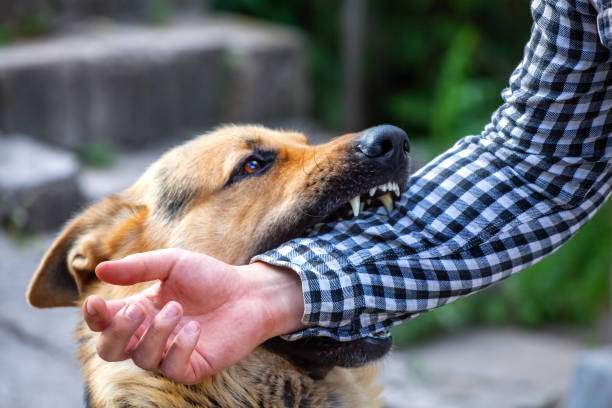
After a dog attack, two questions often come up quickly. Was the dog legally considered dangerous? And who will pay for the injuries?
Texas has a specific set of dangerous-dog laws in Chapter 822 of the Health and Safety Code. It also has no single statewide statute that automatically makes every owner liable for every bite. Whether a claim succeeds, and whether there is insurance to pay it, depends on the facts.
An Athens dog bite lawyer reviews the dog’s history, the owner’s conduct, and the available insurance. This guide focuses on dangerous-dog law and insurance. For the basics of the one-bite rule and negligence, you can read the firm’s guide on how an animal attack attorney proves owner negligence in Texas.
A Quick Look at the Civil Liability Rules
Texas civil claims for dog attacks generally rely on one of two ideas: the owner knew or should have known the dog had dangerous tendencies, or the owner was negligent in controlling the dog.
Although Marshall v. Ranne involved a hog, Texas courts have applied its dangerous-propensity rule to domestic-animal cases. The phrase “one-bite rule” is often misunderstood. It does not mean every dog automatically gets one free bite. A dog’s behavior beforehand and the owner’s precautions can matter.
The dangerous-dog statutes add another layer, because they can show what an owner knew and what the owner was required to do.
What Makes a Dog “Dangerous” Under Texas Law?
Section 822.041 defines a dangerous dog as a dog that either:
- Makes an unprovoked attack on a person that causes bodily injury, in a place other than an enclosure where the dog was kept and that was reasonably certain to prevent the dog from leaving on its own, or
- Commits unprovoked acts in such a place that cause a person to reasonably believe the dog will attack and cause bodily injury.
The statute also defines a secure enclosure. In general terms, it is a fenced area or structure that is locked, prevents entry by the public including children, prevents the dog from escaping, is clearly marked as containing a dangerous dog, and meets local animal control requirements. An ordinary backyard fence does not necessarily qualify.
When Does an Owner Learn the Dog Is Dangerous?
Under Section 822.042(g), an owner generally learns that a dog is dangerous when the owner knows of a qualifying attack, when a court determines that the dog is dangerous, or when the local animal control authority gives the notice described in the statute.
This can be important in a civil case. If an owner received official notice or knew about an earlier incident, that history may help show what the owner knew before the attack.
What Must Owners of Dangerous Dogs Do?
Under Section 822.042(a), within 30 days after learning that they own a dangerous dog, an owner must:
- Register the dog with the animal control authority for the area where the dog is kept
- Restrain the dog at all times, either on a leash under a person’s immediate control or in a secure enclosure
- Obtain liability insurance or show financial responsibility of at least $100,000 to cover damages from an attack causing bodily injury
- Comply with any applicable municipal or county rules on dangerous dogs
Violations of these requirements may be relevant evidence in a civil claim, but they do not automatically establish liability. Local ordinances may also impose leash and animal-control rules, so an attorney may review city and county requirements as well.
Does the Dog Have to Be Declared Dangerous Before You Can Bring a Claim?
No. Many dog bite claims involve dogs that were never formally declared dangerous. A civil claim may still be based on the owner’s knowledge of dangerous tendencies or on negligence. The absence of a formal designation does not necessarily end the analysis.
Criminal Liability Is Separate From a Civil Claim
Section 822.005 creates criminal liability in specific, serious cases. These include situations where an owner’s criminal negligence in failing to secure a dog leads to an unprovoked attack off the owner’s property that causes serious bodily injury or death, or where an owner who knows the dog has been formally determined dangerous allows an unprovoked attack outside a secure enclosure that causes serious bodily injury or death.
The offense is generally a third-degree felony, and it increases to a second-degree felony if the attack causes death. This is sometimes called Lillian’s Law.
A criminal case is separate from a civil injury claim. A civil claim can move forward whether or not prosecutors file charges, and the standards of proof differ.
Insurance: Often the Practical Question
Even when liability is clear, a claim is often limited by available insurance. An animal attack attorney will usually review:
- Homeowner’s or renter’s insurance. Many dog bite claims are paid under these policies, although limits vary.
- Policy exclusions. Some insurers exclude certain breeds or dogs with a prior history of aggression.
- Medical payments coverage. Some homeowner’s policies include limited medical payments coverage for guests, which may apply regardless of fault.
- A landlord’s policy or a business policy. These may be relevant if the attack occurred on rental property or at a kennel, groomer, or boarding facility.
- The dangerous-dog financial responsibility requirement. If a dog was formally determined to be dangerous, the owner was required to carry at least $100,000 in coverage or show financial responsibility.
If the owner has no insurance, recovery may depend on the owner’s personal assets, which can be limited. This is one reason a prompt evaluation matters.
Dealing With the Insurance Adjuster
Insurance adjusters often contact injured people early. They may ask for a recorded statement or suggest a quick settlement. Before agreeing, it is wise to understand the full extent of your injuries, because scarring, infection, nerve damage, and emotional effects may become clearer over time.
A signed release generally ends the claim.
Who Else May Be Involved?
The dog’s owner is the most obvious defendant, but not always the only one. Depending on the facts, an attorney may look at:
- A landlord who knew about a dangerous dog on rental property and had the ability to address it
- A person who was caring for the dog at the time
- A kennel, groomer, or boarding business where the attack occurred under its supervision
Provocation, Shared Fault, and Children
Owners and insurers often argue that the injured person provoked the dog or was trespassing. Texas uses a proportionate responsibility system. Under Texas Civil Practice and Remedies Code Section 33.001, a claimant generally cannot recover damages when their percentage of responsibility is greater than 50 percent. If responsibility is 50 percent or less, recovery may be reduced by that percentage.
Claims involving young children raise additional considerations, since a child may not be held to the same standard of care as an adult.
Filing Deadline
Under Texas Civil Practice and Remedies Code Section 16.003, most personal injury lawsuits must be filed within two years after the claim accrues. Exceptions may apply, and evidence can disappear sooner, so early legal advice can help.
Frequently Asked Questions
Is a dog owner always liable for a bite in Texas?
No. Liability generally depends on the owner’s knowledge of dangerous tendencies or negligence in controlling the dog.
What if the dog was never reported before?
A claim may still be possible if the owner was negligent, such as by failing to secure the dog or ignoring a leash requirement.
What if the owner has no insurance?
Compensation may depend on the owner’s assets or on other coverage, such as a landlord’s or a business’s policy. An attorney can help identify possible sources.
Should I search for an animal attorney near me?
A local attorney can be helpful because local ordinances, courts, and animal control agencies may be involved. Mandy Rodriguez Law is based in Athens and assists clients in surrounding East Texas communities.
What does a dog bite lawyer charge?
Many attorneys use contingency fee agreements, meaning the fee comes from a recovery. Fee percentages and case expenses vary, so review the written agreement carefully.
Speak With an Athens Dog Bite Lawyer
As a dog bite lawyer, I know an attack can leave lasting fear and physical effects, especially for children. You may be dealing with medical bills, scarring, missed work, and an insurance adjuster, all while trying to recover. My goal is to explain your options clearly and help you make informed decisions.
An animal attack attorney can review the dog’s history, the owner’s conduct, and the available insurance. Every case is different, and no attorney can guarantee a particular result.
Learn more about working with an animal attack attorney in Athens, or schedule a free consultation with Mandy Rodriguez Law. You can also call (903) 675-2900.