
How Does an Athens Workplace Injury Lawyer Prove Third Party Negligence?

A workplace injury can affect your health, paycheck, and sense of security almost overnight. When someone outside your employer caused the accident, that person or business may dispute responsibility or question the seriousness of your injuries. An Athens, Texas workplace injury lawyer can investigate whether someone other than your employer caused the accident. This may include a negligent driver, contractor, property owner, or equipment manufacturer. Evidence can help connect that third party’s conduct to your injuries and financial losses. This guide explains how third party workplace injury claims are investigated in Texas, what evidence may establish negligence, and which filing deadlines may apply. Workers’ Compensation Versus a Third Party Injury Claim A workplace injury can involve different legal systems. If you are injured while working from the negligence of your employer, you need to hire a workers’ compensation attorney. A workers’ compensation claim generally concerns benefits available through an employer’s workers’ compensation insurance. Mandy Rodriguez Law does not handle claims seeking workers’ compensation benefits from an employer or its insurance carrier, but may be able to refer you to one that is able to assist you with this type of claim. If you are injured while working from the negligence of a third party, you need to hire a personal injury attorney. For that type of injury, a personal injury claim may be available when someone other than the employer caused the injury. This person or business is called a third party. Potential third parties may include: An Athens, Texas workplace injury lawyer can investigate whether a third party owed the injured worker a duty of care, violated that duty, and caused the accident. Common Third Party Workplace Accidents A third party personal injury claim may arise in many working environments. Examples include: Simply being injured at work does not establish third party liability. The evidence must connect the outside person or business to the unsafe conduct that caused the injury. Filing Deadline for a Third Party Workplace Injury Claim A third party workplace injury lawsuit is generally subject to the two year filing period in Texas Civil Practice and Remedies Code Section 16.003. The correct deadline depends on the facts. Claims involving a government entity may have earlier notice requirements. Evidence can also disappear long before the filing period ends, so injured workers should seek guidance promptly. What Must Be Proven in a Third Party Negligence Claim? A third party workplace injury claim generally requires evidence supporting four connected elements: For example, a commercial driver may have a duty to operate a vehicle safely around road crews. If the driver was distracted and struck a worker, camera footage, phone records, witness statements, and vehicle data may help establish negligence and causation. An Athens, Texas workplace injury lawyer examines each element separately. Evidence of unsafe conduct is not enough unless it can also be connected to the accident and resulting injuries. Evidence a Workplace Injury Lawyer May Collect Every workplace injury claim depends on documentation connecting the accident, the resulting injury, and the losses that followed. Accident and Workplace Incident Records An early written report is one of the most important pieces of evidence in a workplace injury claim, including being injured by a third party. This may include: A written report protects the timeline of the claim. Verbal notice alone can be difficult to prove later if an employer disputes when or how the injury was reported. Medical Records Medical documentation can connect the accident to the injury and support the damages sought in a third party personal injury claim. This may include: Medical providers should receive an accurate explanation of when, where, and how the injury occurred. Inconsistent descriptions of how the injury occurred may cause an insurer to question whether the third party’s conduct caused the condition. Witness Statements Coworkers, supervisors, and other people present at the time of the injury may be able to describe what happened, whether safety procedures were followed, and whether similar hazards had been reported before. Employment and Wage Records Pay stubs, tax records, and employer statements help establish lost income and, when relevant, a reduced ability to return to the same type of work. Third Party Safety and Maintenance Records Evidence showing that a third party knew about a hazard can be important. Depending on the accident, an attorney may examine: These documents may show that a driver, contractor, property owner, manufacturer, or another business knew about a dangerous condition and failed to address it. Photographs, Video, and Electronic Evidence Visual and electronic evidence can preserve details that written reports may miss. Depending on the accident, relevant evidence may include: Some information may be erased or overwritten quickly. An attorney may send a preservation notice requesting that a company or other responsible party retain relevant records. When a Third Party or Insurer Disputes Liability A third party or insurance company may argue that it did not cause the accident, that someone else was responsible, or that the worker’s injuries resulted from a preexisting condition. A workplace injury lawyer may respond by gathering accident reports, medical records, video footage, witness statements, maintenance documents, and expert opinions. If negotiations do not produce a fair settlement, the attorney may file a personal injury lawsuit. What to Do After a Workplace Injury Frequently Asked Questions Can I bring a claim against someone other than my employer? Possibly. If a driver, contractor, property owner, equipment manufacturer, or another third party caused your workplace injury, you may have a separate personal injury claim. The available options depend on the facts and applicable law. What is an example of a third party workplace injury claim? A third party claim may arise when a delivery driver is injured by another motorist, an outside contractor creates an unsafe condition, defective equipment harms a worker, a car wreck, dog bite, or an employee is injured on property controlled by another business. What if the third party denies causing my workplace injury? Accident reports, photographs, video footage, witness statements, maintenance records,
What Compensation Can a Motorcycle Accident Lawyer in Athens Help You Pursue?

A motorcycle crash can change your health, work, and financial stability in seconds. Riders have little protection from the force of a collision, and the resulting injuries may require emergency care, surgery, rehabilitation, and time away from work. A motorcycle accident lawyer in Athens, Texas and across the state of Texas, can investigate who caused the crash and document the losses connected to it. Compensation is never automatic, and no attorney can promise a particular amount. The value of a claim depends on the evidence, available insurance, severity of the injuries, degree of responsibility assigned to each party, and other facts. This guide explains the main forms of compensation that may be available under Texas law and the records used to support them. Why Motorcycle Injury Claims Require Careful Documentation According to the Texas Department of Transportation, 557 riders died and 2,468 were seriously injured in Texas motorcycle crashes during 2025. TxDOT also reports that more than half of fatal motorcycle crashes involve another vehicle. An insurer may argue that the rider contributed to the crash or dispute whether treatment and work absences resulted from it. Strong documentation helps answer three basic questions: An attorney may compare police reports, photographs, video, witness accounts, medical records, and income information. Compensation a Motorcycle Accident Lawyer in Athens May Pursue Texas personal injury damages are intended to address legally recognized losses caused by another party. The available categories depend on the evidence and circumstances of the individual case. Past and Future Medical Expenses Medical expenses may form a substantial part of a motorcycle injury claim. Recoverable costs can potentially include: Bills alone do not prove causation. Medical records should connect treatment to the crash. A qualified professional may need to explain the need and likely cost of future care. Keep bills, insurance statements, prescriptions, receipts, and provider communications. An Athens motorcycle accident firm may obtain and organize complete records. Lost Wages and Reduced Earning Capacity Evidence of lost income can include pay statements, tax records, employer letters, and medical restrictions. Lost wages concern missed income, while loss of earning capacity addresses a reduced future ability to earn. The distinction matters when an injury prevents a return to previous work. Texas Civil Practice and Remedies Code Chapter 41 includes income, wages, and earning capacity within its definitions of economic damages. An expert may be needed when future loss is disputed. Physical Pain and Mental Anguish Texas law may permit compensation for physical pain and mental anguish when supported by evidence. Medical notes, therapy records, personal testimony, and observations from others may show effects on sleep, emotional health, relationships, or daily activities. Physical Impairment and Disfigurement Physical impairment may involve losing the ability to walk normally, exercise, care for family, or complete daily tasks. Disfigurement may include scarring, burns, amputation, or another lasting change in appearance. Photographs can document recovery and permanent effects. Property Damage and Motorcycle Loss A claim may address damage to the motorcycle, helmet, riding gear, and other property. Preserve photographs, estimates, receipts, towing invoices, and storage bills. Ask whether an inspection is needed before repairs or disposal. How Evidence Connects a Loss to the Crash Compensation must be tied to reliable evidence. Different records serve different purposes. Evidence What it may help establish Police report Parties, witnesses, citations, and initial observations Scene photographs Road conditions, damage, visibility, and vehicle positions Video footage How the collision occurred and what each driver did Medical records Diagnosis, treatment, symptoms, and medical restrictions Medical bills The cost of care related to the injuries Employment records Missed work, reduced hours, and lost wages Expert analysis Crash mechanics, future care, or reduced earning ability Personal testimony Pain, limitations, and changes to daily life For example, a medical restriction, employment record, and pay statement may work together to establish missed time and lost income. For more information about establishing responsibility, read how a motorcycle accident lawyer proves driver negligence. What if the Rider Is Blamed for the Accident? Insurers may blame the rider for speeding, following too closely, or failing to remain visible. Such claims should be tested against the evidence. Texas applies a proportionate responsibility system. Under Texas Civil Practice and Remedies Code Section 33.001, a claimant generally cannot recover damages when their percentage of responsibility is greater than 50 percent. When the claimant is 50 percent or less responsible, compensation may be reduced by the assigned percentage. For example, 20 percent responsibility generally produces a 20 percent reduction. This does not predict any case outcome. Insurance Coverage Can Affect the Recovery Available insurance and the defendant’s financial resources can affect the amount that may be recovered. An investigation may include: Policy language and notice requirements matter. A motorcycle accident attorney may review applicable coverage and communicate with insurers.A person searching for a motorcycle accident attorney in Athens should choose someone who can review liability evidence, insurance coverage, and documented damages together. When Wrongful Death Damages May Apply When a crash causes a rider’s death, the surviving spouse, children, and parents may have a Texas wrongful death claim. Potential damages include lost support, companionship, mental anguish, and lost inheritance. A related survival claim may address certain losses experienced between injury and death. The correct parties and claims depend on the facts. Texas Deadline for Filing a Motorcycle Injury Lawsuit Under Texas Civil Practice and Remedies Code Section 16.003, most personal injury lawsuits must be filed within two years after the claim accrues. A lawsuit arising from an injury that results in death is also generally subject to a two year limitations period. Exceptions may alter the deadline. Claims involving a public entity may require earlier notice. Evidence may disappear before the deadline. Review this motorcycle accident attorney guide for Athens for additional steps after a crash. Steps That Can Protect a Compensation Claim Your health comes first. Once it is safe, consider these steps: You can also review guidance on when to hire a motorcycle accident lawyer. Frequently Asked Questions How much compensation can I receive
What Evidence Does a Personal Injury Lawyer in Bullard TX Use to Prove Negligence?

After an accident, knowing that someone acted carelessly is not enough to secure compensation. A claim must be supported by evidence showing what happened, who was responsible, how the accident caused your injuries, and what you lost as a result. A personal injury lawyer in Bullard, Texas, or any city across the state of Texas, may collect accident reports, photographs, video recordings, medical records, witness statements, electronic data, and proof of lost income. When these sources support one another, they can provide a clear account of the accident and challenge an insurance company that disputes responsibility or minimizes your losses. This guide explains the evidence that can strengthen a Texas personal injury claim and the steps you can take to protect it. Personal Injury Support for Bullard Residents Mandy Rodriguez Law assists people in Bullard, Texas and surrounding East Texas communities after injuries caused by someone else’s negligence. The firm handles personal injury cases involving vehicle collisions, unsafe property conditions, workplace incidents, animal attacks, and other preventable events. A personal injury attorney investigates liability, documents damages, communicates with insurers, and helps an injured person make informed decisions. Why Choose a Personal Injury Lawyer in Bullard, Texas? Personal injury law can involve medical evidence, insurance rules, filing deadlines, and disputes about fault. Local knowledge can also help an attorney understand the roads, courts, and practical concerns affecting East Texas residents. When comparing attorneys, consider: Verifying an Attorney’s Credentials Before hiring an attorney, confirm their license status, professional experience, and any claimed legal specialization. Texas law recognizes specialty certifications held by attorneys, but certification should never be assumed. Review Texas Government Code Section 81.024 for official information concerning attorney profile details. Practice Areas Including Car Accidents and More Personal injury cases can arise from many forms of careless conduct. Common practice areas include: Each case requires a different investigation. A traffic claim may depend on vehicle data, while a premises claim may require inspection records. Car Accident Representation After a car accident, a lawyer may obtain the police report, document vehicle damage, locate witnesses, search for nearby cameras, and review medical records. Preserve photographs of the vehicles, road, signs, debris, and injuries. Ask whether an inspection is necessary before disposing of a badly damaged vehicle. Medical and wage records may support damages for treatment costs, lost income, pain, impairment, and other recognized losses. Truck and Motorcycle Crash Services An 18 wheeler accident may involve a driver, carrier, vehicle owner, maintenance contractor, or cargo company. Evidence can include driving logs, engine data, inspections, dispatch messages, and cargo documents. Motorcycle accidents often cause serious injuries. Evidence may include helmet damage, roadway marks, vehicle positions, video, and witness accounts. When a crash is disputed, an accident reconstruction professional may analyze photographs, damage, measurements, and electronic information. How We Help Injured Victims A lawyer’s investigation addresses liability and damages. Liability concerns who caused the accident. Damages concern its physical and financial effects. Legal work may include: Medical decisions remain between you and your healthcare providers. An attorney may organize records and explain how bills affect the claim. Gathering Evidence for Your Case Evidence should show the responsible party’s duty, how it was violated, how that violation caused injury, and what damages followed. Important sources may include: Evidence What it may help establish Police report Parties, witnesses, conditions, and initial observations Scene photographs Vehicle positions, hazards, damage, and visibility Camera footage The sequence of events before and during the accident Witness statements Independent observations of careless conduct Medical records Diagnosis, treatment, limitations, and causation Billing records Medical expenses connected to the injury Employment records Lost wages and reduced earning ability Electronic data Speed, braking, location, or communication activity Expert analysis Technical causation and future financial effects No single document always proves a claim. If a witness reports that a driver never slowed down, vehicle data shows no braking, and video confirms the signal, the sources may reinforce one another. Dealing With Insurance Companies Insurers may question the severity of your injuries, dispute treatment, or place part of the blame on you. Before giving a recorded statement or signing a broad medical authorization, consider obtaining legal advice. A lawyer can manage communications, provide documentation, and evaluate a settlement offer. Once a release is signed, you may lose the right to seek more compensation if further medical care becomes necessary. Navigating the Texas Legal System Under Texas Civil Practice and Remedies Code Section 16.003, most lawsuits for personal injury must be filed within two years after the claim accrues. Exceptions can change that period, and claims involving a government agency may have earlier notice requirements. Texas also follows a proportionate responsibility system. Under Section 33.001, a claimant generally cannot recover damages when their percentage of responsibility is greater than 50 percent. If responsibility is 50 percent or less, the recovery may be reduced by that percentage. This is commonly called modified comparative negligence. If an injured person is assigned 20 percent responsibility, damages may be reduced by 20 percent. Evidence may disappear before the deadline. If negotiations fail, a lawyer may file a lawsuit and use formal discovery to obtain records and testimony. What to Do After a Car Accident Your health and safety come first. After a crash: Prompt care protects your health and documents your symptoms. Describe the accident and your condition accurately. Free Consultation and Fee Structure Mandy Rodriguez Law states that its personal injury cases are handled on a contingency fee basis. This generally means there is no attorney fee paid upfront and the legal fee is taken from a recovery if the case succeeds. The written agreement controls. Ask: A free consultation allows you to ask questions without committing to representation. Frequently Asked Questions for Injury Victims Should I speak to the insurance company after an accident? You should report the accident as required, but use care when discussing fault, injuries, or settlement. Consider speaking with a personal injury attorney before giving a recorded statement or signing a release. How long do I
What Evidence Do Wrongful Death Attorneys in Athens Use to Prove Negligence?
Losing someone because of another person’s negligent conduct leaves a family facing grief, unanswered questions, and unexpected financial pressure. Suspecting negligence is one thing. Proving it through reliable evidence is another. Wrongful death attorneys in Athens, and all over the state of Texas, investigate how the death occurred, who may be legally responsible, and how the loss has affected surviving family members. Their work may involve accident reports, photographs, medical records, witness statements, employment information, electronic data, and expert analysis. This guide explains the evidence that may support a Texas wrongful death claim and the steps families can take to protect important information. What Is a Wrongful Death Claim in Texas? A wrongful death lawsuit is a civil action arising from a person’s death. It is separate from any criminal case that might result from the same incident. Under Texas Civil Practice and Remedies Code Chapter 71, a wrongful death action may arise when an injury causes a person’s death and the injury resulted from another party’s wrongful act, neglect, carelessness, unskillfulness, or default. The underlying event could involve: A wrongful death attorney must connect the responsible party’s conduct to the person’s fatal injuries. The fact that a death occurred does not automatically establish negligence or liability. Who Can File a Wrongful Death Lawsuit in Texas? Texas law identifies specific people who may bring a wrongful death action. Section 71.004 states that the claim is for the exclusive benefit of the deceased person’s: These individuals may file separately or together. Adult children may qualify, but siblings and other extended family members generally are not included in this group. If none of the eligible family members files a wrongful death lawsuit within three calendar months after the death, the executor or administrator of the deceased person’s estate generally must bring the action unless all eligible family members ask that it not be filed. Therefore, describing Texas law as allowing only immediate family members to file is incomplete. The estate’s personal representative may have a role under the circumstances established by the statute. Determining legal standing is one of the first responsibilities of wrongful death attorneys in Athens. Legal standing means having the legal right to bring the claim. What Must Be Proven in a Wrongful Death Case? A successful claim requires more than evidence of loss. The available information must establish a connection between the defendant’s conduct and the person’s death. The investigation usually focuses on four questions: For example, a driver owes others a duty to operate a vehicle with reasonable care. If the driver runs a red light and causes a fatal car accident, traffic camera footage, vehicle data, and witness statements could help show a violation of that duty. Causation must also be established. The evidence must show that the defendant’s negligence caused or contributed to the person’s death rather than merely existing at the same time. Evidence Wrongful Death Attorneys in Athens May Collect Every case has a different factual history. The evidence needed after a motor vehicle accident will differ from the evidence required in a medical malpractice or defective product case. Reports Created After the Incident Police reports, workplace incident reports, animal control records, and regulatory findings can provide a starting point for the investigation. An accident report may identify: A report does not necessarily decide civil liability. It may contain incomplete information or statements made before all the evidence was available. A wrongful death lawyer compares the report with photographs, video, physical evidence, and witness accounts. Photographs and Video Recordings Images may preserve conditions that quickly change after an incident. Vehicles may be repaired, debris may be removed, defective equipment may be replaced, or a dangerous property condition may be corrected. Relevant recordings could come from: Some systems delete old footage automatically. An attorney may send a preservation notice asking the person or business controlling the recording to retain it. Medical and Autopsy Records Medical records help establish the injuries, treatment provided, medical expenses incurred, and cause of death. The legal team may review: In a medical malpractice case, the records may also show what care was provided, when symptoms were identified, and whether the treatment met the applicable standard of care. Medical experts are often required in these cases. Witness Statements Witnesses may explain what happened before, during, and after the fatal event. They might have seen a driver using a phone, a property owner ignoring a known hazard, or an employer directing workers to use unsafe equipment. Useful witnesses can include: Witness memories can fade. Obtaining accurate statements early allows a wrongful death claim lawyer to compare each account with physical and electronic evidence. Electronic and Technical Information Electronic records can be crucial in modern wrongful death cases. Depending on the incident, evidence may include: This information may be controlled by a company, insurer, manufacturer, or technology provider. Formal discovery or a subpoena may be necessary to obtain private records after a lawsuit is filed. Evidence of Earlier Safety Problems Prior incidents may help establish what the responsible party knew before the death. Examples include: An earlier complaint does not automatically prove liability. It must be relevant to the danger that caused the person’s death. How Different Evidence Supports the Claim A strong investigation compares information from independent sources instead of relying on a single document. Evidence What it may help establish Accident reports Parties, conditions, witnesses, and initial observations Video footage The sequence of events and conduct before the incident Medical records Injuries, treatment, medical expenses, and cause of death Witness statements Independent observations and earlier warnings Electronic data Speed, braking, communication, or equipment activity Maintenance records Known defects and whether repairs were completed Employment records Earnings, benefits, and lost financial support Expert analysis Causation, safety standards, and future financial losses Funeral invoices Funeral costs and burial expenses Family testimony Mental anguish, lost companionship, and changed family relationships When several sources support the same account, the evidence becomes more persuasive. When they conflict, further investigation may be needed. Identifying Every
How a Pedestrian Accident Attorney Proves Driver Negligence in Texas

A pedestrian has little protection when struck by a moving vehicle. Even a crash at a relatively low speed can cause painful injuries, medical expenses, lost income, and lasting changes to daily life. A pedestrian accident attorney investigates the moments before the collision to determine whether the driver failed to use reasonable care. This may involve studying traffic signals, video footage, witness statements, vehicle damage, mobile phone records, and medical evidence. The purpose is not simply to show that a vehicle struck you. The evidence must explain what the driver did wrong, how that conduct caused the collision, and what losses you suffered. Building a Clear Timeline of the Collision A strong pedestrian accident claim usually begins with a timeline. The attorney works backward from the moment of impact and asks what each person could see, when they could see it, and how much time the driver had to react. Important questions may include: A police report may answer some of these questions. However, a complete investigation often requires evidence that was unavailable to the responding officer. Texas Laws That May Apply to a Pedestrian Accident Texas pedestrian duties and driver responsibilities appear in Chapter 552 of the Texas Transportation Code. The rule that applies depends on where and how the pedestrian was crossing. Pedestrians at Traffic Signals Under Section 552.001, pedestrians must follow traffic control signals that specifically apply to them. Other traffic signals may control their movement when a separate pedestrian signal is not present. Signal timing records, video footage, and witness accounts may help establish whether a pedestrian had permission to enter the roadway. Drivers Approaching Crosswalks Section 552.003 generally requires a driver to stop and yield to a pedestrian in a crosswalk when no traffic control signal is operating if the pedestrian is on the vehicle’s half of the road or approaching close enough from the opposite half to be in danger. The same section states that pedestrians may not suddenly leave a curb or place of safety and enter a crosswalk so close to a vehicle that stopping is impossible. These rules mean that the location of the pedestrian, the speed of the vehicle, and the available stopping distance can all become important. Pedestrians Crossing Outside a Crosswalk Section 552.005 generally requires a pedestrian crossing outside a marked or unmarked crosswalk at an intersection to yield to vehicles. That does not automatically excuse careless driving. Section 552.008 requires drivers to exercise due care to avoid colliding with pedestrians. It also addresses giving a warning when necessary and using proper caution when a child or an apparently confused or incapacitated person is on the road. A pedestrian accident lawyer examines all applicable rules instead of assuming that one fact decides the case. Safe Speed Under Existing Conditions Texas law does not make the posted speed limit the only measure of safe driving. Transportation Code Section 545.351 requires drivers to travel at a speed that is reasonable and prudent under the existing circumstances. A driver travelling at the posted limit might still be moving too fast for darkness, rain, heavy pedestrian activity, limited visibility, or traffic near a school. What a Pedestrian Accident Attorney Must Establish A negligence claim generally depends on four connected elements. The Driver Owed a Duty of Care Drivers have a responsibility to operate their vehicles with reasonable care. This includes paying attention, maintaining control, following traffic signals, and watching for people who may be in or near the road. The Driver Breached That Duty A breach occurs when the driver fails to act with reasonable care. Examples may include: A traffic citation may support an investigation, but it does not automatically decide the civil claim. Likewise, a driver may be found negligent even if no citation was issued. The Breach Caused the Collision The evidence must connect the driver’s conduct to the impact. Imagine that a driver was using a phone several minutes before the collision but had put it away well before approaching the pedestrian. That earlier phone use may not prove causation. If video and phone records instead show that the driver was reading a message while entering the crosswalk, the connection may be much stronger. The Pedestrian Suffered Damages The final element concerns the harm caused by the crash. Damages may include physical injuries, medical expenses, lost income, pain, impairment, and other legally recognized losses. The amount must be supported by records rather than guesswork. Evidence Used to Prove Driver Negligence Pedestrian crashes often leave little physical protection between the person and the vehicle. For that reason, evidence from the road, surrounding properties, and vehicle can become especially important. Video From Nearby Cameras Video may come from traffic cameras, homes, stores, parking lots, dashboard cameras, or doorbell systems. It may show: Many camera systems erase older footage automatically. A pedestrian accident attorney may send a preservation request asking the owner of the recording to retain it. Witness Statements Independent witnesses may have seen the vehicle speeding, turning without stopping, or entering the intersection after the signal changed. Witnesses may also describe whether the pedestrian was visible and how long the person had been in the road. Names and contact information should be collected quickly. Memories may become less precise as time passes. Physical Evidence at the Scene The location and condition of physical evidence can help reconstruct the collision. Relevant details may include: Measurements and photographs can help an accident reconstruction specialist analyze vehicle movement and the likely point of impact. Vehicle Data and Inspection Some vehicles store information about speed, braking, acceleration, and other actions before a crash. The exact information depends on the vehicle and its technology. Mechanical inspection may also reveal worn brakes, damaged lights, steering problems, or tires that affected the driver’s ability to stop. Electronic data should be downloaded by a qualified person. Improper handling can damage the information or make its accuracy more difficult to establish. Mobile Phone Records When distraction is suspected, legally obtainable mobile phone records may show calls, messages,
How an Animal Attack Attorney Proves Owner Negligence in Texas
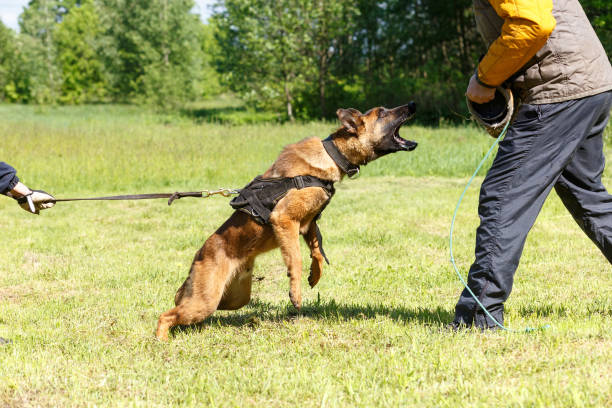
An animal attack can happen without warning. One moment you are walking through your neighborhood, visiting a home, or completing a delivery. The next, you may be dealing with puncture wounds, broken bones, scarring, or emotional trauma. An animal attack attorney investigates whether the owner knew about the danger or failed to control the animal with reasonable care. Proving negligence requires more than showing that an attack occurred. Evidence must connect the owner’s actions or failures to your injuries. Understanding that process can help you protect useful evidence and make informed decisions about your Texas injury claim. What Does Owner Negligence Mean? Negligence generally means that someone failed to use reasonable care under the circumstances. In an animal attack case, the owner may have acted negligently by failing to secure the animal, ignoring aggressive behavior, using a damaged enclosure, or allowing the animal to roam where it could hurt someone. A negligence claim commonly examines four questions: Every part must be supported by evidence. An unsafe fence alone does not prove an injury claim. The evidence must also show how the animal escaped, how the attack occurred, and how you were harmed. Texas Law Recognizes Different Liability Theories Texas animal injury cases may involve more than one legal theory. The appropriate theory depends on the animal’s history, the owner’s knowledge, and the way the attack happened. Liability Based on Known Dangerous Behavior Texas courts recognize a common-law liability theory often called the “one-bite rule.” Despite its name, proof of a previous bite is not always required. The important question is whether the owner knew or should have known that the animal had dangerous tendencies that were unusual for an animal of that type. The Texas Supreme Court discussed this form of liability in Marshall v. Ranne. That case involved a dangerous hog rather than a dog, which is why this principle can apply to different domestic animals. Evidence of dangerous behavior could include: A previous incident does not automatically decide the case. The facts must show that the earlier behavior gave the owner reason to understand the risk. Liability Based on Negligent Handling A person may also have a negligence claim even if the animal had never bitten anyone before. For example, an owner may leave a large dog unsecured beside an open gate while guests are arriving. The dog may not have a recorded history of aggression, but the way it was handled could still be unreasonable under the circumstances. This approach focuses on what the owner did at the time of the incident. It does not always require proof that the animal was previously considered dangerous. How an Animal Attack Attorney Builds the Evidence The investigation should answer three practical questions: What did the owner know, what did the owner do, and how did those choices lead to the attack? Documenting the Attack Location Conditions at the scene can reveal whether the animal was properly controlled. An attorney may look for: Photographs should be taken as soon as it is safe to do so. An owner may repair a fence or replace a gate soon after the incident. Early photographs preserve what the property looked like when the attack happened. Finding Video Footage Security cameras, doorbell cameras, dashboard cameras, and mobile phones may have recorded the attack or events leading to it. Video may show: Some systems automatically delete recordings after a short period. An animal attack attorney may send a written notice requesting that relevant footage be preserved. Interviewing Witnesses Witnesses can provide information that does not appear in a medical or animal control report. A neighbor may have seen the animal escape several times. A delivery worker may have previously complained about aggressive behavior. Another visitor may have heard the owner warn people not to approach the animal. Useful witnesses may include: The attorney compares witness statements with photographs, reports, messages, and other records. Consistent information from independent sources can be persuasive. Obtaining Animal Control Records Animal control records may show whether the animal was previously reported for biting, chasing, escaping, or acting aggressively. The file may contain: A lack of prior reports does not necessarily mean the owner acted responsibly. Some incidents are never reported. Other evidence may still show that the owner knew about the animal’s behavior. Reviewing Veterinary and Ownership Records Veterinary records may identify the animal, its owner, vaccination status, and relevant behavior noted during treatment. Records from a shelter, breeder, rescue organization, trainer, or former owner may also contain useful information. Private records are not automatically available. The owner’s authorization, formal discovery, or a subpoena may be required. The investigation may also need to establish who possessed or controlled the animal. The registered owner is not always the only person who had responsibility for it at the time. Examining Messages and Online Posts Text messages, emails, neighborhood app posts, and social media content may contain statements about the animal’s behavior. For example, the owner might have written that the dog repeatedly escaped or did not tolerate strangers. A neighborhood discussion might document earlier encounters. Online content must be preserved carefully. Screenshots should include dates, account details, and enough context to understand the statement. A single comment can be misunderstood when separated from the full conversation. Evidence and What It Can Help Prove Different evidence serves different purposes. A complete investigation often combines several sources. Evidence What it may help establish Scene photographs The condition of a gate, fence, leash, or enclosure Security video How the attack began and whether the animal was controlled Witness statements Prior aggression, repeated escapes, or the owner’s warnings Animal control records Earlier complaints, bites, citations, or dangerous dog findings Veterinary records Identity, ownership, vaccination, and recorded behavior Medical records The nature, severity, and cause of the injuries Messages and online posts The owner’s knowledge of earlier problems Employment records Income lost because of treatment and recovery Expert opinions Medical needs, scarring, or animal handling issues One piece of evidence may raise a question. Several matching
What Evidence Does an 18 Wheeler Accident Attorney Collect After a Texas Truck Crash?

A collision with a commercial truck can leave you with serious injuries, large medical bills, and questions about who caused the crash. The trucking company and its insurer may begin investigating immediately. You need reliable evidence to understand what happened and protect your rights. An 18 wheeler accident attorney looks beyond the police report. The investigation may include electronic driving records, vehicle data, maintenance documents, photographs, witness accounts, and company safety files. Each piece of evidence can help explain how the crash happened and who may be responsible. Why Evidence Matters After a Texas Truck Crash Truck accident claims are often more complicated than ordinary car accident claims. A commercial truck may be owned, operated, loaded, and maintained by different people or businesses. Potentially responsible parties may include: Evidence helps connect a specific act or failure to the collision. For example, a maintenance record might show that a trucking company knew about a brake problem. Electronic records might show that a driver had exceeded permitted driving hours. Cargo documents could reveal that a load was not balanced properly. An 18 wheeler accident lawyer reviews these details together instead of relying on one document or statement. Evidence an 18 Wheeler Accident Attorney May Collect The available evidence depends on the vehicles, people, and companies involved. The following categories are commonly examined during a truck crash investigation. Police Reports and Crash Scene Records The police report is often a useful starting point. It may identify the drivers, vehicles, insurers, witnesses, road conditions, and any citations issued at the scene. Other scene evidence may include: A police report does not decide liability by itself. Officers may not have access to company records, electronic logs, or technical vehicle data when they prepare the report. An attorney compares the report with the rest of the evidence. Photographs and Videos Images can preserve details that disappear after the road is cleared. They may show where the vehicles stopped, the direction of impact, cargo scattered across the road, weather conditions, or damage to a safety barrier. Useful video may come from: Some systems automatically delete old recordings. An attorney may send a written preservation notice asking the person or company controlling the footage to retain it. Electronic Logging Device Records Many commercial drivers use an electronic logging device, commonly called an ELD, to record driving time and duty status. The records may help answer questions such as: The Federal Motor Carrier Safety Administration explains that a property-carrying driver generally may drive for up to 11 hours after 10 consecutive hours off duty and may not drive beyond the applicable 14-hour driving window. Exceptions can apply, so the records must be reviewed in context. Under federal regulations, motor carriers must retain drivers’ records of duty status and supporting documents for six months from the date of receipt. This limited retention period is one reason to begin investigating early. Engine and Vehicle Data Commercial trucks may contain several systems that store information, including an engine control module, electronic logging device, telematics system, camera system, or event data recorder. Although these systems are sometimes collectively called a truck’s “black box,” each may record different information. Depending on the vehicle and installed equipment, available data may include: The National Highway Traffic Safety Administration explains that event data recorders may capture vehicle movement, system status, driver inputs, and crash information. Not every truck records the same data. A qualified technician may be needed to preserve and download it correctly. Driver Qualification and Employment Files A trucking company must ensure that its commercial drivers meet applicable qualification requirements. An attorney may examine the driver’s employment and qualification records to determine whether the company followed proper hiring and monitoring practices. Relevant documents may include: The official FMCSA Motor Carrier Safety Planner states that carriers must investigate and document certain previous employment safety information. These files may show whether warning signs existed before the crash. Inspection, Repair, and Maintenance Records A fully loaded commercial truck requires working brakes, tires, lights, steering components, and other safety equipment. Maintenance evidence may include: These documents can help show whether the carrier inspected the truck, responded to reported problems, and completed necessary repairs. For example, imagine that a driver reported weak brakes several days before a collision. If the company continued using the truck without inspecting or repairing it, those records could become important evidence. Mobile Phone and Communication Records Phone use may be relevant when distracted driving is suspected. An attorney may seek legally obtainable records showing calls, messages, or data activity near the time of the crash. Communication evidence may also include messages between the driver and dispatcher. These records could show schedule pressure, route instructions, reported mechanical issues, or concerns about fatigue. Private records are not automatically available. Formal discovery, authorization, or a subpoena may be required, depending on who controls the information. Cargo and Shipping Documents Cargo can affect a truck’s handling, braking distance, and stability. Poorly loaded or unsecured cargo may shift, fall, or contribute to a rollover. An 18-wheeler truck accident lawyer in Athens may examine: These records may help identify whether the carrier, shipper, or loading company contributed to the crash. Drug and Alcohol Testing Records Federal post-accident testing requirements apply to qualifying commercial drivers and crashes. Testing is generally required when a qualifying crash results in a fatality. It may also be required after certain injury or tow away crashes when the commercial driver receives a citation for a moving violation arising from the crash. An attorney may review whether required testing occurred, when it occurred, and whether the carrier documented any reason for a delay or failure to test. A missing test does not automatically prove impairment. It may still raise questions about whether the company followed federal requirements. Witness and Expert Evidence Witnesses may describe the truck’s movement before the collision. A person may have seen the truck drifting between lanes, following too closely, or entering an intersection against a traffic signal. Expert analysis may also be needed.
How a Wrongful Death Lawyer Proves Negligence in Texas

Losing someone you love because of another person’s careless conduct creates pain that no legal case can erase. It can also leave your family facing funeral expenses, lost income, and an uncertain future. A wrongful death lawyer helps determine what happened, who may be legally responsible, and whether the available evidence supports a claim. This process involves much more than showing that an accident occurred. The lawyer must connect the responsible party’s conduct directly to your loved one’s death. Here is how negligence is investigated and proven in a Texas wrongful death case. What Is Considered Wrongful Death in Texas? A wrongful death claim may arise when a person dies because of another party’s wrongful act, neglect, carelessness, lack of skill, or default. The official Texas Civil Practice and Remedies Code, Chapter 71 provides the legal foundation for these claims. A case may involve an individual, company, employer, property owner, medical provider, or another responsible party. Common situations that may lead to a wrongful death claim include: An unexpected death does not automatically establish negligence. A wrongful death attorney must prove that the defendant’s wrongful conduct caused the death and the family’s resulting losses. What Must a Wrongful Death Lawyer Prove? Most negligence claims involve four central elements. Each element must be supported by reliable evidence. Legal element What it means Examples of useful evidence Duty of care The defendant had a legal responsibility to act with reasonable care Traffic laws, safety policies, contracts, or professional standards Breach of duty The defendant failed to meet that responsibility Video footage, inspection records, witness accounts, or electronic data Causation The breach caused or contributed to the death Medical records, expert analysis, crash reconstruction, or autopsy findings Damages Eligible family members suffered measurable losses Income records, bills, family testimony, and financial analysis A strong case must establish all four parts. For example, evidence that a driver was texting may demonstrate careless conduct. The lawyer must still show that the distraction caused the collision and that the collision caused the person’s fatal injuries. How a Wrongful Death Lawyer Investigates Negligence Every case has different facts, but a careful investigation usually includes several important stages. Preserving Evidence Before It Disappears Physical and digital evidence can be lost quickly. Vehicles may be repaired or destroyed. Security cameras may record over old footage. Witnesses may forget important details. Businesses may dispose of records under their standard retention policies. A lawyer may send preservation notices asking the responsible parties to retain relevant evidence. Depending on the type of incident, the evidence could include: Contacting a lawyer early can make it easier to locate and preserve this material. Reviewing Official Reports Police reports, incident reports, emergency response records, and government inspection documents may provide an early picture of what happened. A report does not always contain every important fact. It may be based on limited information available at the scene. A wrongful death lawyer uses it as one part of the investigation and compares it with physical evidence, witness statements, and expert findings. Interviewing Witnesses People who saw the incident may have information that was not recorded in an official report. They may have noticed a speeding vehicle, broken safety equipment, poor lighting, or an employee ignoring a dangerous condition. A lawyer may identify witnesses, record their statements, and compare their accounts with other evidence. Independent witnesses can be especially valuable when the responsible party denies fault. Examining Medical Evidence Medical records help establish the connection between the incident, the injuries, and the death. Relevant material may include emergency treatment records, hospital files, imaging results, physician notes, death certificates, and autopsy findings. The goal is to answer an essential question: Did the defendant’s conduct cause the fatal injury? This issue can become complicated if the deceased person had an existing health condition. A qualified medical expert may be needed to explain whether the incident caused the death or significantly contributed to it. Consulting Qualified Experts Some cases require technical knowledge that an ordinary witness cannot provide. Depending on the circumstances, a wrongful death claim lawyer may consult: An expert should not be used simply to make a claim sound stronger. The expert’s role is to analyze evidence within their field and explain complex issues clearly. How Causation Connects Negligence to the Death Causation is often the most disputed part of a wrongful death case. Showing that someone acted carelessly is not enough. The evidence must connect that conduct to the fatal outcome. Consider a hypothetical commercial truck collision. The trucking company may have failed to maintain the brakes. Maintenance records show that employees knew about the problem. An inspection after the collision confirms that the brakes were defective. A reconstruction specialist then determines that functioning brakes would probably have allowed the driver to stop. Together, these facts may establish a clear connection between the maintenance failure and the death. The defense may argue that another event caused the collision. It may blame another driver, weather conditions, or the deceased person. A lawyer prepares for these arguments by looking for evidence that confirms or challenges each explanation. Identifying Every Potentially Responsible Party The person who directly caused the incident may not be the only responsible party. For example, a fatal truck accident could involve: Identifying all responsible parties matters because each one may hold different records, have different insurance coverage, and carry a separate legal responsibility. A wrongful death lawyer in Athens, or anywhere in Texas can examine how each party contributed to an incident instead of assuming that only one person was at fault. What Happens When Fault Is Shared? Texas follows a proportionate responsibility system. Under Section 33.001 of the Texas Civil Practice and Remedies Code, a claimant generally cannot recover damages if their percentage of responsibility is greater than 50 percent. Any compensation awarded may be reduced according to their assigned percentage of responsibility. Insurance companies may use this rule to shift blame and reduce what they must pay. A lawyer can challenge unsupported allegations by
How an 18 Wheeler Accident Attorney Investigates Trucking Company Negligence
A collision involving an 18 wheeler can cause devastating injuries, extensive property damage, and lasting financial hardship. Unlike a typical car accident, truck accident cases often involve multiple parties, federal safety regulations, and large trucking companies with experienced legal teams. Determining exactly what caused the crash requires a detailed investigation and strong evidence. An experienced 18 wheeler accident attorney understands how to identify signs of trucking company negligence and preserve evidence before it disappears. Whether you are searching for an 18 wheeler accident lawyer, an 18 wheeler accident attorney near me, or an 18 wheeler truck accident lawyer Athens, understanding how these investigations work can help you protect your rights after a serious truck accident. Whether the collision occurred on US Highway 175, State Highway 31, or another roadway in Athens or Henderson County, or anywhere in the state of Texas, preserving evidence early can play an important role in protecting your claim. Why Trucking Company Negligence Matters Not every truck accident is caused solely by the driver. In many cases, the trucking company may also share responsibility if its actions or policies contributed to the collision. Federal and state laws require commercial trucking companies to hire qualified drivers, properly maintain their vehicles, follow safety regulations, and ensure cargo is transported safely. When they fail to meet these responsibilities, serious accidents can occur. Examples of trucking company negligence include: Hiring unqualified or inexperienced drivers Failing to provide adequate training Ignoring routine vehicle maintenance Allowing drivers to exceed legal hours of service Improperly loading or securing cargo Encouraging unrealistic delivery schedules that promote fatigued driving Failing to perform required vehicle inspections Ignoring known safety violations or mechanical problems When a trucking company fails to meet its legal responsibilities, injured victims may have the right to pursue compensation from more than one responsible party. A thorough investigation can determine whether the driver’s actions, the trucking company’s policies, or both contributed to the crash. How Federal Trucking Regulations Affect Accident Claims Commercial trucking companies must follow safety regulations established by the Federal Motor Carrier Safety Administration (FMCSA). These regulations cover driver qualifications, hours of service, vehicle inspections, maintenance requirements, and cargo securement. Violations of these safety rules may become important evidence during an injury claim. An experienced 18 wheeler accident attorney will often review whether the trucking company complied with applicable federal regulations before the crash occurred. How an 18 Wheeler Accident Attorney Investigates Trucking Company Negligence Unlike many passenger vehicle collisions, commercial truck accidents often involve multiple parties, electronic records, and federal transportation regulations. As a result, preserving evidence quickly is one of the most important steps in building a strong claim. An attorney may investigate: Driver qualification files Electronic logging device (ELD) records Hours of service logs Vehicle maintenance records Inspection reports Cargo loading documentation Dashcam footage Black box data Driver training records Drug and alcohol testing records Reviewing this information can help determine whether negligence contributed to the accident. How Texas Law Determines Fault After a Truck Accident Texas follows a modified comparative fault rule under the Texas Civil Practice and Remedies Code, Chapter 33. More than one party may share responsibility for a truck accident. If you are found to be more than 50% responsible, you generally cannot recover compensation. If you are 50% or less responsible, your recovery may be reduced according to your percentage of fault. Because trucking companies and their insurers often attempt to dispute liability, preserving strong evidence is one of the most important parts of a successful claim. Example: Investigating Trucking Company Negligence Imagine you are driving through Athens when an 18 wheeler crosses into your lane and causes a serious collision. The trucking company initially claims the driver lost control because of poor weather. During the investigation, your attorney obtains electronic logging device records, maintenance reports, and black box data from the truck. The evidence shows the driver exceeded the maximum driving hours allowed under federal regulations and the truck had overdue brake maintenance. These findings may help establish trucking company negligence and strengthen your claim for compensation. Evidence That Can Strengthen a Truck Accident Claim Building a strong claim often requires much more than a police report. Important evidence may include: Police crash reports Driver logbooks Electronic logging device records Black box data Maintenance records Inspection reports Cargo loading records Witness statements Surveillance footage Medical records Accident reconstruction reports Together, these forms of evidence help establish how the collision occurred and who may be legally responsible. Common Mistakes That Can Hurt a Truck Accident Claim Example After a commercial truck accident, even small mistakes may affect your ability to recover compensation. To help protect your claim: Seek medical treatment immediately. Follow your doctor’s treatment recommendations. Preserve photographs and videos. Avoid discussing the accident on social media. Keep copies of medical bills and repair estimates. Do not accept a settlement before understanding the full extent of your injuries. These steps help preserve evidence and reduce unnecessary disputes during the claims process. Common Causes of 18 Wheeler Accidents Truck accidents occur for many different reasons, including: Driver fatigue Distracted driving Speeding Mechanical failures Tire blowouts Brake failure Improperly secured cargo Unsafe lane changes Failure to inspect equipment Poor driver training According to the Federal Motor Carrier Safety Administration, commercial motor carriers are required to follow safety standards designed to reduce preventable crashes and improve roadway safety. What Compensation May Be Available? If trucking company negligence contributed to the accident, compensation may include: Emergency medical treatment Hospital expenses Future medical care Surgery Rehabilitation Lost wages Reduced earning capacity Property damage Pain and suffering Permanent disability damages Every truck accident case is different, and available compensation depends on the facts surrounding the collision and the severity of the injuries. What Should You Do After an 18 Wheeler Accident? The actions you take immediately after a truck accident may affect your claim. If possible: Call law enforcement. Seek immediate medical treatment. Photograph the accident scene. Obtain witness contact information. Preserve photographs and videos. Avoid discussing fault
How a Motorcycle Accident Lawyer Proves Driver Negligence After a Crash

A motorcycle accident can leave you with serious injuries, expensive medical bills, and unanswered questions about what happened. While the physical recovery may begin immediately, proving that another driver caused the crash is often one of the biggest challenges. Insurance companies sometimes argue that the motorcyclist was speeding, riding aggressively, or contributed to the accident, even when the evidence tells a different story. Working with an experienced motorcycle accident lawyer can help you gather the evidence needed to establish negligence and protect your legal rights. Whether you are searching for a motorcycle accident attorney, motorcycle accident lawyers near me, or a motorcycle accident lawyer in Athens, or anywhere in the state of Texas,understanding how negligence is proven can help you make informed decisions after a crash. Why Proving Negligence Matters After a Motorcycle Accident A successful motorcycle accident claim depends on proving that another driver’s negligence caused your injuries. Negligence means someone failed to use reasonable care, resulting in harm to another person. Examples of negligent driving include: Distracted driving Speeding Failing to yield the right of way Unsafe lane changes Running red lights or stop signs Driving under the influence Following a motorcycle too closely Without sufficient evidence, insurance companies may dispute liability or attempt to reduce the value of your claim. How Texas Law Determines Fault After a Motorcycle Accident Texas follows a modified comparative fault rule under the Texas Civil Practice and Remedies Code, Chapter 33. This means more than one party may share responsibility for an accident. If you are found to be more than 50% responsible, you generally cannot recover compensation. If you are 50% or less at fault, your compensation may be reduced based on your percentage of responsibility. Because fault directly affects the outcome of your claim, insurance companies often look for evidence that shifts blame to the injured motorcyclist. Building a strong case with reliable documentation helps protect your right to pursue compensation. How a Motorcycle Accident Lawyer Proves Driver Negligence Proving negligence requires more than explaining what happened. Your attorney must collect evidence that demonstrates how the other driver’s actions caused the collision and resulted in your injuries. An attorney may: Review the police crash report Interview witnesses Collect photographs and videos Request nearby surveillance footage Obtain dashcam recordings Work with accident reconstruction experts Review vehicle damage Analyze roadway conditions Together, these forms of evidence create a clearer picture of what happened and help challenge inaccurate statements made by the other driver or insurance company. Example: How Evidence Can Strengthen a Motorcycle Accident Claim Imagine you are riding through an intersection in Athens, or anywhere in the state of Texas, when a driver turns left directly into your path. The driver later claims they never saw your motorcycle and argues you were speeding. During the investigation, your attorney obtains surveillance footage from a nearby business, reviews the police report, and works with an accident reconstruction expert. The evidence shows you were traveling within the speed limit and had the right of way. That documentation may help establish negligence and strengthen your claim during settlement negotiations or litigation. Important Evidence That Can Support Your Case Every motorcycle accident is different, but the following evidence is commonly used to establish liability: Police crash reports Witness statements Medical records Photographs of the accident scene Motorcycle damage Helmet camera footage Dashcam recordings Cell phone records Vehicle event data Accident reconstruction reports The more evidence available, the more difficult it becomes for an insurance company to dispute fault. Motorcycle Riders Often Face Unfair Assumptions Unfortunately, some insurance companies assume motorcyclists take unnecessary risks. These assumptions can affect how a claim is evaluated, even when the rider followed every traffic law. A skilled motorcycle accident attorney focuses on the facts rather than stereotypes. By presenting objective evidence, your attorney can challenge unfair assumptions and help ensure your claim is evaluated fairly. Common Causes of Motorcycle Accidents Many motorcycle crashes occur because drivers fail to notice motorcycles in traffic. Common causes include: Left-turn collisions Distracted driving Unsafe lane changes Failure to check blind spots Speeding Following too closely Driving under the influence Poor roadway maintenance According to the National Highway Traffic Safety Administration (NHTSA), motorcyclists face a significantly higher risk of serious injury in traffic collisions, making careful investigation especially important after an accident. Common Mistakes That Can Hurt a Motorcycle Accident Claim Example After a serious motorcycle accident, even small mistakes may affect your claim. To help protect your rights: Report the accident promptly. Seek medical treatment immediately. Follow your doctor’s treatment plan. Preserve your riding gear and helmet. Avoid discussing the accident on social media. Do not accept a settlement before understanding the full extent of your injuries. These steps can help preserve important evidence and reduce unnecessary disputes during the claims process. What Compensation May Be Available? Once negligence has been established, you may be able to recover compensation for: Emergency medical treatment Hospital bills Surgery Physical therapy Future medical care Lost wages Reduced earning capacity Property damage Pain and suffering Every case is unique, and compensation depends on the circumstances surrounding the accident and the injuries involved. What Should You Do After a Motorcycle Accident? Taking the right steps immediately after a crash may help protect your legal rights. If possible: Call 911 and report the accident. Seek medical treatment immediately. Take photographs of the accident scene. Obtain witness contact information. Preserve helmet camera or dashcam footage. Avoid discussing fault at the scene. Contact a motorcycle accident lawyer before speaking with insurance adjusters. Choosing the Right Motorcycle Accident Lawyer When selecting legal representation, look beyond advertisements. Choose an attorney who: Investigates motorcycle accidents promptly. Preserves important evidence. Works with accident reconstruction professionals. Understands Texas personal injury law. Negotiates effectively with insurance companies. Is prepared to take a case to trial when necessary. If you have searched for motorcycle accident lawyers near me, choosing an attorney with experience handling motorcycle injury claims can make an important difference. Frequently Asked Questions How does a motorcycle