
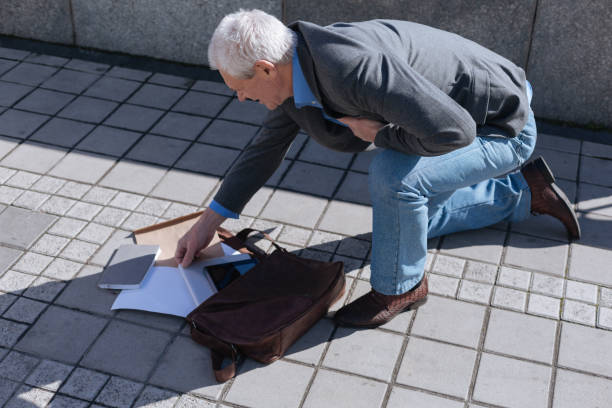
A fall can happen in a moment: a wet floor in a store, a broken step at an apartment, a cluttered walkway outside a business. The injuries can last far longer, from fractures and head trauma to months away from work.
Many people assume that being hurt on someone else’s property automatically entitles them to compensation. It does not. Texas law requires proof that the property owner or operator was legally responsible for the dangerous condition.
A slip and fall accident attorney in Athens investigates why the fall happened, who controlled the property, and whether the evidence meets the legal standard. This guide explains what must be proven and how the evidence is gathered.
Texas Premises Liability: Why a Fall Alone Is Not Enough
Slip and fall claims in Texas are generally brought as premises liability claims. The law does not make a property owner responsible for every accident. Instead, an injured person must show that the owner or operator failed to act reasonably about a danger they knew or should have known about.
The Texas Supreme Court addressed these claims in Keetch v. Kroger Co. and again in Wal-Mart Stores, Inc. v. Reece. Together, these decisions explain that a property owner is not an insurer of every visitor’s safety, and that knowledge of the hazard is a central issue.
This is why a slip and fall lawyer focuses so heavily on what the property owner knew, or should have known, before the fall.
The Four Things a Slip and Fall Injury Attorney Must Establish
When a customer or other invitee is injured, Texas courts generally look for four elements:
- Knowledge: The owner or operator had actual or constructive knowledge of the dangerous condition.
- Unreasonable risk: The condition posed an unreasonable risk of harm.
- Failure to act: The owner failed to exercise reasonable care to reduce or eliminate the risk, such as by cleaning it up or warning visitors.
- Causation: That failure proximately caused the person’s injuries.
Every piece of evidence in a slip and fall case ties back to one of these four elements. If one is missing, the claim may fail even when the injuries are serious.
How Slip and Fall Lawyers in Athens Prove the Owner Knew
Knowledge is often the most disputed element. Texas courts recognize three general ways to show it:
- The owner or its employees created the hazard, such as mopping a floor and leaving it wet without a warning sign.
- The owner actually knew about the hazard because it was reported to a manager, appeared in an earlier complaint, or was noticed by an employee.
- The owner should have discovered the hazard because it existed long enough that reasonable inspection would have found it. This is called constructive knowledge.
Constructive knowledge often depends on how long the condition was present. Under Reece, the fact that an employee happened to be nearby is not enough by itself. Evidence about how long a spill, leak, or obstruction existed can be decisive.
That is why timing evidence matters, including surveillance video, inspection logs, and cleaning schedules. A slip & fall lawyer will often request these records quickly, because businesses may overwrite video after a short period.
Evidence That Can Support a Slip and Fall Claim
| Evidence | What It May Help Establish |
|---|---|
| Photographs and video of the hazard | The condition, its size, and how visible it was |
| Surveillance footage | How long the hazard existed and what employees did |
| Incident report | The owner’s account and when the fall was reported |
| Inspection and cleaning logs | Whether the owner followed its own safety routine |
| Witness statements | What others saw before and after the fall |
| Medical records | Injuries, treatment, and connection to the fall |
| Footwear and clothing | Whether the fall resulted from the hazard |
| Employment records | Lost income and work limitations |
Photographs taken immediately after the fall can be especially valuable because hazards are often cleaned up or repaired within minutes.
Common Defenses in Slip and Fall Cases
Property owners and their insurers often argue that:
- They had no knowledge of the hazard and no reasonable opportunity to discover it.
- The hazard was open and obvious, so a careful visitor should have avoided it.
- The injured person was distracted, in a hurry, or wearing unsuitable footwear.
- The injuries were pre-existing or unrelated to the fall.
Texas applies a proportionate responsibility system. Under Texas Civil Practice and Remedies Code Section 33.001, a claimant generally cannot recover damages when their percentage of responsibility is greater than 50 percent. If responsibility is 50 percent or less, recovery may be reduced by that percentage.
Falls on Government Property
If the fall happened on city, county, school district, or other public property, different rules may apply. Claims against government entities can require written notice within a short period, sometimes as brief as six months, and local rules may be shorter. These notice requirements can affect whether a claim may proceed at all, so prompt legal advice matters.
What to Do After a Slip and Fall Accident
- Seek medical attention and describe exactly how the fall occurred.
- Report the fall to a manager or property owner and ask for a written incident report.
- Photograph the hazard, the surrounding area, lighting, and any warning signs or lack of them.
- Collect names and contact information for witnesses.
- Keep the shoes and clothing you were wearing.
- Avoid giving a recorded statement to an insurer before getting legal advice.
- Save medical bills, work records, and all written communications.
How Long Do You Have to File?
Under Texas Civil Practice and Remedies Code Section 16.003, most personal injury lawsuits must be filed within two years after the claim accrues. Exceptions can change the deadline, and evidence such as video footage may disappear much sooner.
Frequently Asked Questions
Do I automatically have a case if I fall on someone’s property? No. A claim generally requires proof that the owner knew or should have known about a dangerous condition and failed to address it.
What if I was partly at fault for the fall? You may still recover compensation if your responsibility is 50 percent or less, though the amount may be reduced by your percentage of fault.
Should I accept the insurance company’s first offer? Consider whether your injuries, future treatment, and lost income are fully understood before signing a release. A settlement usually ends the claim.
What does a slip and fall lawyer charge? Many personal injury attorneys use contingency fee agreements, meaning the attorney is paid from a recovery. Fee percentages and case expenses vary, so review the written agreement carefully.
Can I bring a claim if I fell at a friend’s or landlord’s property? Possibly. The rules depend on your status on the property and who controlled it. An attorney can review the facts of your situation.
Speak With a Slip and Fall Lawyer in Athens
As a slip and fall lawyer, I know that an unexpected fall can mean unexpected medical bills, missed work, and pressure from insurance adjusters. My goal is to explain your options clearly, preserve the evidence that matters, and help you make informed decisions about your claim.
Every case is different, and no attorney can guarantee a particular result. A slip and fall accident attorney in Athens can investigate what the property owner knew, gather the records that may support your claim, and respond to the arguments insurers commonly raise.
To discuss your options with a slip and fall injury attorney in Athens, call Mandy Rodriguez Law at (903) 675-2900 or schedule a free consultation.
This article provides general information and does not constitute legal advice. Reading it does not create an attorney client relationship.