
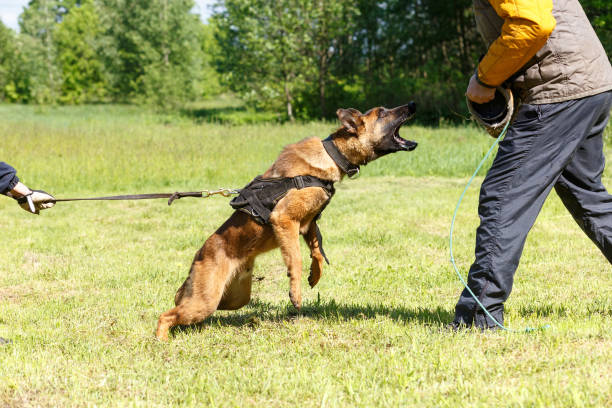
An animal attack can happen without warning. One moment you are walking through your neighborhood, visiting a home, or completing a delivery. The next, you may be dealing with puncture wounds, broken bones, scarring, or emotional trauma.
An animal attack attorney investigates whether the owner knew about the danger or failed to control the animal with reasonable care. Proving negligence requires more than showing that an attack occurred. Evidence must connect the owner’s actions or failures to your injuries.
Understanding that process can help you protect useful evidence and make informed decisions about your Texas injury claim.
What Does Owner Negligence Mean?
Negligence generally means that someone failed to use reasonable care under the circumstances.
In an animal attack case, the owner may have acted negligently by failing to secure the animal, ignoring aggressive behavior, using a damaged enclosure, or allowing the animal to roam where it could hurt someone.
A negligence claim commonly examines four questions:
- Did the owner owe you a duty to use reasonable care?
- Did the owner fail to meet that duty?
- Did that failure cause the attack?
- Did you suffer physical, emotional, or financial harm?
Every part must be supported by evidence. An unsafe fence alone does not prove an injury claim. The evidence must also show how the animal escaped, how the attack occurred, and how you were harmed.
Texas Law Recognizes Different Liability Theories
Texas animal injury cases may involve more than one legal theory. The appropriate theory depends on the animal’s history, the owner’s knowledge, and the way the attack happened.
Liability Based on Known Dangerous Behavior
Texas courts recognize a common-law liability theory often called the “one-bite rule.” Despite its name, proof of a previous bite is not always required.
The important question is whether the owner knew or should have known that the animal had dangerous tendencies that were unusual for an animal of that type.
The Texas Supreme Court discussed this form of liability in Marshall v. Ranne. That case involved a dangerous hog rather than a dog, which is why this principle can apply to different domestic animals.
Evidence of dangerous behavior could include:
- A previous bite
- Attempts to attack people
- Charging at visitors
- Escaping to chase pedestrians
- Aggressive behavior toward delivery workers
- Complaints from neighbors
- Warnings from animal control
- An owner’s use of warning signs
- Special restraints used because of known aggression
A previous incident does not automatically decide the case. The facts must show that the earlier behavior gave the owner reason to understand the risk.
Liability Based on Negligent Handling
A person may also have a negligence claim even if the animal had never bitten anyone before.
For example, an owner may leave a large dog unsecured beside an open gate while guests are arriving. The dog may not have a recorded history of aggression, but the way it was handled could still be unreasonable under the circumstances.
This approach focuses on what the owner did at the time of the incident. It does not always require proof that the animal was previously considered dangerous.
How an Animal Attack Attorney Builds the Evidence
The investigation should answer three practical questions: What did the owner know, what did the owner do, and how did those choices lead to the attack?
Documenting the Attack Location
Conditions at the scene can reveal whether the animal was properly controlled.
An attorney may look for:
- Broken gates
- Holes under a fence
- Missing locks
- Weak chains or leashes
- Open doors
- Warning signs
- Poorly maintained enclosures
- Gaps large enough for the animal to escape
- Blood, torn clothing, or other physical evidence
Photographs should be taken as soon as it is safe to do so. An owner may repair a fence or replace a gate soon after the incident. Early photographs preserve what the property looked like when the attack happened.
Finding Video Footage
Security cameras, doorbell cameras, dashboard cameras, and mobile phones may have recorded the attack or events leading to it.
Video may show:
- How the animal escaped
- Whether it was restrained
- How long it was roaming
- Whether someone provoked it
- The owner’s response
- The victim’s actions
- Statements made immediately afterward
Some systems automatically delete recordings after a short period. An animal attack attorney may send a written notice requesting that relevant footage be preserved.
Interviewing Witnesses
Witnesses can provide information that does not appear in a medical or animal control report.
A neighbor may have seen the animal escape several times. A delivery worker may have previously complained about aggressive behavior. Another visitor may have heard the owner warn people not to approach the animal.
Useful witnesses may include:
- Neighbors
- Family members
- Postal workers
- Delivery drivers
- Property employees
- Veterinary staff
- Animal control officers
- People who witnessed earlier incidents
The attorney compares witness statements with photographs, reports, messages, and other records. Consistent information from independent sources can be persuasive.
Obtaining Animal Control Records
Animal control records may show whether the animal was previously reported for biting, chasing, escaping, or acting aggressively.
The file may contain:
- Prior complaints
- Bite reports
- Citation history
- Investigation notes
- Dangerous dog findings
- Vaccination information
- Quarantine records
- Communications with the owner
- Previous impoundment records
A lack of prior reports does not necessarily mean the owner acted responsibly. Some incidents are never reported. Other evidence may still show that the owner knew about the animal’s behavior.
Reviewing Veterinary and Ownership Records
Veterinary records may identify the animal, its owner, vaccination status, and relevant behavior noted during treatment. Records from a shelter, breeder, rescue organization, trainer, or former owner may also contain useful information.
Private records are not automatically available. The owner’s authorization, formal discovery, or a subpoena may be required.
The investigation may also need to establish who possessed or controlled the animal. The registered owner is not always the only person who had responsibility for it at the time.
Examining Messages and Online Posts
Text messages, emails, neighborhood app posts, and social media content may contain statements about the animal’s behavior.
For example, the owner might have written that the dog repeatedly escaped or did not tolerate strangers. A neighborhood discussion might document earlier encounters.
Online content must be preserved carefully. Screenshots should include dates, account details, and enough context to understand the statement. A single comment can be misunderstood when separated from the full conversation.
Evidence and What It Can Help Prove
Different evidence serves different purposes. A complete investigation often combines several sources.
| Evidence | What it may help establish |
| Scene photographs | The condition of a gate, fence, leash, or enclosure |
| Security video | How the attack began and whether the animal was controlled |
| Witness statements | Prior aggression, repeated escapes, or the owner’s warnings |
| Animal control records | Earlier complaints, bites, citations, or dangerous dog findings |
| Veterinary records | Identity, ownership, vaccination, and recorded behavior |
| Medical records | The nature, severity, and cause of the injuries |
| Messages and online posts | The owner’s knowledge of earlier problems |
| Employment records | Income lost because of treatment and recovery |
| Expert opinions | Medical needs, scarring, or animal handling issues |
One piece of evidence may raise a question. Several matching pieces can create a clearer account of what happened.
How Texas Dangerous Dog Laws May Affect the Investigation
The Texas Health and Safety Code, Chapter 822 contains rules concerning dogs that attack people or are considered dangerous.
Under Section 822.041, a dangerous dog can include a dog that makes an unprovoked attack causing bodily injury outside its secure enclosure. The definition can also include a dog that commits certain unprovoked acts outside its enclosure that cause a person to reasonably believe the dog will attack and cause bodily injury.
After an owner learns that a dog has been determined to be dangerous, Section 822.042 sets out requirements that may include registration, restraint, a secure enclosure, and proof of financial responsibility in the amount required by the statute.
The application of these provisions depends on the facts and local procedures. A statutory violation does not automatically establish every part of a civil injury claim. However, dangerous dog records and evidence of noncompliance may be relevant to the investigation.
Cities and counties may also have local animal control ordinances. An attorney should check the rules that applied where the attack occurred.
Medical and Public Health Evidence
Your health comes first after an animal attack. Even a wound that looks small may require professional evaluation.
The Texas Department of State Health Services advises people to wash a bite or scratch promptly with soap and water, contact a health care provider, and report the location of the animal to local animal control or the local rabies control authority.
Texas public health guidance also explains that a biting dog or cat may be confined for observation or tested under applicable rabies procedures. The state provides further information through its rabies guidance.
Medical evidence may include:
- Emergency treatment records
- Wound photographs
- Vaccination records
- Medication costs
- Surgical reports
- Therapy records
- Scar evaluations
- Follow up appointments
- Mental health treatment records
Continue photographing your injuries as they heal. A series of dated images can document bruising, swelling, infection, surgery, and scarring more clearly than one photograph.
A Practical Example of Proving Negligence
Imagine that a dog escapes through a damaged gate and attacks a person walking on a public sidewalk.
The owner says the incident was unexpected. However, neighbors report that the dog escaped twice during the previous month. A delivery driver had also complained about the dog charging at the gate. Photographs taken after the attack show that the latch was broken. A doorbell camera records the dog pushing through the gate without anyone provoking it.
Each fact has a different purpose:
- Neighbor statements may show repeated escape problems.
- The delivery complaint may show notice of aggressive behavior.
- Photographs may prove that the enclosure was defective.
- Video may establish how the attack happened.
- Medical records may connect the attack to the injuries.
The complete evidence may support an argument that the owner knew about the risk and failed to correct it.
What You Should Do After an Animal Attack
If you can do so safely, take these steps:
- Move away from the animal and seek medical care.
- Wash bites or scratches with soap and water.
- Report the incident to animal control or the local rabies authority.
- Identify the animal and its owner.
- Photograph your wounds, clothing, and the location.
- Collect witness names and contact information.
- Save medical bills, messages, and missed work records.
- Avoid arguing with the owner.
- Do not post detailed statements on social media.
- Speak with an attorney before accepting a settlement.
Do not approach or attempt to capture an unfamiliar animal yourself. Give its location and description to the proper authorities.
How Long Do You Have to File a Claim?
Under Texas Civil Practice and Remedies Code Section 16.003, a personal injury lawsuit generally must be filed no later than two years after the claim accrues.
Exceptions may change the deadline. Claims involving a government entity can also have shorter notice requirements.
Evidence can disappear long before the filing period ends. Video may be deleted, property conditions may change, and witnesses may become difficult to locate. Early investigation helps protect information while it is still available.
Frequently Asked Questions
What does an animal attack attorney need to prove in Texas?
The attorney may need to prove that the owner knew about dangerous behavior or failed to handle the animal with reasonable care. The evidence must also connect that conduct to the attack, injuries, and resulting losses.
Can I bring a claim if the dog never bit anyone before?
Possibly. A negligence claim may focus on careless handling or control even when there is no known previous bite. Prior charging, chasing, escaping, or threatening behavior may also be relevant.
What compensation may be available after an animal attack?
Depending on the evidence, recoverable losses may include medical expenses, lost income, pain, impairment, disfigurement, and other legally recognized damages. The available compensation depends on the facts of the case.
How do I choose among lawyers in Athens, Texas?
Ask whether the lawyer handles personal injury claims, understands Texas animal liability law, investigates prior complaints, and explains fees clearly. You should also choose someone who communicates in a way you understand.
What if the animal owner says I provoked the attack?
The owner or insurer may argue that you provoked the animal. An attorney can compare that allegation with video footage, witness accounts, medical records, and other evidence showing what happened before the attack.
Speak With an Animal Attack Attorney in Texas
Owner negligence may be proven through damaged enclosures, previous complaints, video footage, witness statements, medical records, and the owner’s own communications. The sooner this information is collected, the easier it may be to understand what happened.
An animal attack attorney can investigate the animal’s history, review the owner’s conduct, and explain your options under Texas law. Learn more about animal attack attorney.
Contact Mandy Rodriguez Law to discuss your injuries and the evidence available in your case.
This article provides general information and is not legal advice. Reading it does not create an attorney client relationship.