
How a Pedestrian Accident Attorney Proves Driver Negligence in Texas
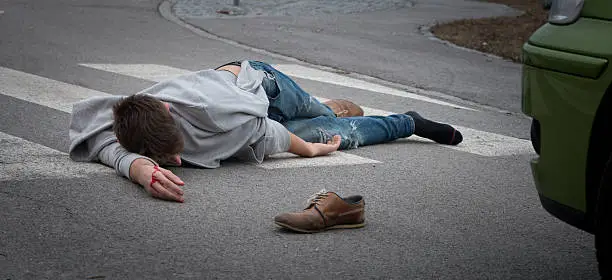
A pedestrian has little protection when struck by a moving vehicle. Even a crash at a relatively low speed can cause painful injuries, medical expenses, lost income, and lasting changes to daily life. A pedestrian accident attorney investigates the moments before the collision to determine whether the driver failed to use reasonable care. This may involve studying traffic signals, video footage, witness statements, vehicle damage, mobile phone records, and medical evidence. The purpose is not simply to show that a vehicle struck you. The evidence must explain what the driver did wrong, how that conduct caused the collision, and what losses you suffered. Building a Clear Timeline of the Collision A strong pedestrian accident claim usually begins with a timeline. The attorney works backward from the moment of impact and asks what each person could see, when they could see it, and how much time the driver had to react. Important questions may include: A police report may answer some of these questions. However, a complete investigation often requires evidence that was unavailable to the responding officer. Texas Laws That May Apply to a Pedestrian Accident Texas pedestrian duties and driver responsibilities appear in Chapter 552 of the Texas Transportation Code. The rule that applies depends on where and how the pedestrian was crossing. Pedestrians at Traffic Signals Under Section 552.001, pedestrians must follow traffic control signals that specifically apply to them. Other traffic signals may control their movement when a separate pedestrian signal is not present. Signal timing records, video footage, and witness accounts may help establish whether a pedestrian had permission to enter the roadway. Drivers Approaching Crosswalks Section 552.003 generally requires a driver to stop and yield to a pedestrian in a crosswalk when no traffic control signal is operating if the pedestrian is on the vehicle’s half of the road or approaching close enough from the opposite half to be in danger. The same section states that pedestrians may not suddenly leave a curb or place of safety and enter a crosswalk so close to a vehicle that stopping is impossible. These rules mean that the location of the pedestrian, the speed of the vehicle, and the available stopping distance can all become important. Pedestrians Crossing Outside a Crosswalk Section 552.005 generally requires a pedestrian crossing outside a marked or unmarked crosswalk at an intersection to yield to vehicles. That does not automatically excuse careless driving. Section 552.008 requires drivers to exercise due care to avoid colliding with pedestrians. It also addresses giving a warning when necessary and using proper caution when a child or an apparently confused or incapacitated person is on the road. A pedestrian accident lawyer examines all applicable rules instead of assuming that one fact decides the case. Safe Speed Under Existing Conditions Texas law does not make the posted speed limit the only measure of safe driving. Transportation Code Section 545.351 requires drivers to travel at a speed that is reasonable and prudent under the existing circumstances. A driver travelling at the posted limit might still be moving too fast for darkness, rain, heavy pedestrian activity, limited visibility, or traffic near a school. What a Pedestrian Accident Attorney Must Establish A negligence claim generally depends on four connected elements. The Driver Owed a Duty of Care Drivers have a responsibility to operate their vehicles with reasonable care. This includes paying attention, maintaining control, following traffic signals, and watching for people who may be in or near the road. The Driver Breached That Duty A breach occurs when the driver fails to act with reasonable care. Examples may include: A traffic citation may support an investigation, but it does not automatically decide the civil claim. Likewise, a driver may be found negligent even if no citation was issued. The Breach Caused the Collision The evidence must connect the driver’s conduct to the impact. Imagine that a driver was using a phone several minutes before the collision but had put it away well before approaching the pedestrian. That earlier phone use may not prove causation. If video and phone records instead show that the driver was reading a message while entering the crosswalk, the connection may be much stronger. The Pedestrian Suffered Damages The final element concerns the harm caused by the crash. Damages may include physical injuries, medical expenses, lost income, pain, impairment, and other legally recognized losses. The amount must be supported by records rather than guesswork. Evidence Used to Prove Driver Negligence Pedestrian crashes often leave little physical protection between the person and the vehicle. For that reason, evidence from the road, surrounding properties, and vehicle can become especially important. Video From Nearby Cameras Video may come from traffic cameras, homes, stores, parking lots, dashboard cameras, or doorbell systems. It may show: Many camera systems erase older footage automatically. A pedestrian accident attorney may send a preservation request asking the owner of the recording to retain it. Witness Statements Independent witnesses may have seen the vehicle speeding, turning without stopping, or entering the intersection after the signal changed. Witnesses may also describe whether the pedestrian was visible and how long the person had been in the road. Names and contact information should be collected quickly. Memories may become less precise as time passes. Physical Evidence at the Scene The location and condition of physical evidence can help reconstruct the collision. Relevant details may include: Measurements and photographs can help an accident reconstruction specialist analyze vehicle movement and the likely point of impact. Vehicle Data and Inspection Some vehicles store information about speed, braking, acceleration, and other actions before a crash. The exact information depends on the vehicle and its technology. Mechanical inspection may also reveal worn brakes, damaged lights, steering problems, or tires that affected the driver’s ability to stop. Electronic data should be downloaded by a qualified person. Improper handling can damage the information or make its accuracy more difficult to establish. Mobile Phone Records When distraction is suspected, legally obtainable mobile phone records may show calls, messages,